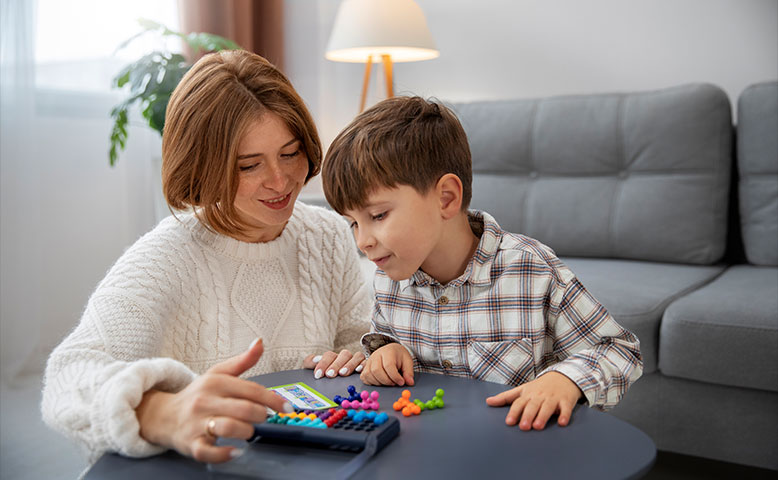
Family life is busy, and most days are a combination of fun, messes, and little fights. But there are occasions when behavior seems to be more than just “typical kid stuff.” Every morning is a conflict, homework makes everyone cry, and siblings have to be very careful around each other. That’s when parents usually start to think about whether a behavior analyst could assist. A behavior analyst looks at what happens before and after a behavior and then uses that information to teach people new skills.
- They look at patterns, not blame
- They focus on skills, not “bad kids”
- They work with the whole family
Their purpose is clear: to make life at home safer, calmer, and easier for everyone.
Who are Behavior Analysts?
A Board Certified Behavior Analyst (BCBA) is someone who has been trained in Applied Behavior Analysis (ABA). They look at data, watch people, and apply tried-and-true methods to figure out why behavior happens. Over 79,000 people around the world have BCBA certification as of October 2025, and the need for these talents has grown quickly since 2010. They help kids, teens, and adults at home, school, and in the community.
- They complete graduate-level training and supervised practice
- They must pass a global certification exam
- They follow strict ethical guidelines
A BCBA doesn’t simply give counsel; they also make and keep an eye on step-by-step plans, keep track of data, and change techniques until you see steady, real-life progress.
Signs Your Family Might Need Support
When to seek aid can be hard to figure out. A lot of parents wait until things seem “out of control,” but you don’t have to wait that long. If you have the same problems every day and nothing you try seems to work, a behavior analyst might be able to help. Think about the last month in your home.
- Are there frequent meltdowns that last more than 20–30 minutes?
- Do simple requests often lead to shouting, throwing, or hitting?
- Are siblings or parents starting to avoid being at home?
When these patterns show up most days of the week, a behavior analyst can help you understand what is feeding those cycles.
When Everyday Routines Feel Hard
Morning, mealtime, homework, and bedtime are the “big four” routines that often cause stress. Research shows that up to 20–25% of school-age children have behavior that significantly affects daily routines at home or school. Behavior analysts study these moments closely, breaking each routine into small steps.
- What exact request comes before the problem behavior?
- What does your child gain or escape when it happens?
- Which parts of the routine go smoothly?
Families often have fewer fights, easier transitions, and more independence in daily tasks when they change how they provide instructions, add clear visual steps, and praise modest achievements.
Supporting Children with Autism
Many behavior analysts work with children who have autism, but they also treat youngsters who don’t have a diagnosis. Recent figures suggest that around 1 in 31 eight-year-old kids in the U.S. has autism spectrum disorder, and the number of cases has been going up over time. ABA has been around for more than 40 years and has a lot of research behind it that shows how to teach autistic students how to communicate, play, and live their daily lives.
- Teaching first words or alternative communication (like picture cards)
- Building play skills and turn-taking with peers
- Reducing self-injury or dangerous behavior safely
A behavior analyst builds skill-based goals, always watching whether the child is learning and whether behavior is becoming safer and less stressful over weeks and months.
Big Feelings and Big Reactions
Children and teens sometimes show behavior that looks like “defiance” but is really a struggle to manage big feelings. They might be expressing, “This is too much,” by slamming doors, rushing away, or yelling, “I hate you.” Functional Behavior Assessment (FBA) is a method that behavior analysts use a lot to find out what a behavior is for.
- Does it help the child escape a task that feels too hard?
- Does it quickly bring adult attention, even if it is negative?
- Does it bring access to a favorite item or activity?
Once the “job” of the behavior is clear, the BCBA teaches safer, more appropriate ways to get that same need met.
School Struggles and Classroom Issues
If you get calls from school all the time about problems like hostility, refusal, or disturbance, it might be time to have a behavior analyst involved. Between 2010 and 2022, the number of jobs available for behavior analysts in education and health climbed by more than 800%. This shows how much schools now depend on this kind of help. BCBAs can help instructors come up with plans that work in the classroom.
- Clear, predictable rules and visual schedules
- Fair reward systems that focus on effort
- Simple ways to record behavior and progress
They can also help with your child’s Individualized Education Program (IEP) goals, behavior support plans, and staff training so that the help your kid gets at home is the same as what they get at school.
Building Independence and Life Skills
Behavior analysts don’t just work to halt bad conduct; they also help people learn crucial life skills. This could be about going to the bathroom, getting dressed, doing chores, doing homework, or staying safe in the community. They employ planned ways of teaching, such as task analysis (cutting a skill down into steps) and prompting (helping a youngster with each step and then fading that support).
• Divide enormous goals into tiny, easy-to-understand steps
• Practice a lot in real life
• Give rewards for effort and development, not perfection.
For example, data can reveal that your child went from brushing their teeth alone on 1 out of 7 days to 5 out of 7 days in a month. This is clear evidence that the plan is working.
How a Behavior Plan Works
A BCBA prepares a Behavior Intervention Plan (BIP) after doing an evaluation. This is written guidance for workers and caregivers that tells them what to do before, during, and after difficult behavior. It is founded on facts, not speculation. A good plan has clear triggers, methods to stop things from happening, and ways to teach.
- What adults should do so that problems are less likely to occur
- What new skills will the child learn instead
- How everyone will respond in a calm, consistent way
Progress is tracked with simple numbers or checklists. If the data show that progress has slowed, the behavior analyst adjusts the plan rather than blaming the child or the parents.
Questions Parents Often Ask
Parents usually have important questions: “Will my child be labeled?” “Will this be too strict?” “How long will this take?” A good BCBA answers openly and includes the family in every step. They should explain terms in plain language and make sure strategies feel realistic with your schedule, energy, and culture.
- You can ask for clear goals and time frames
- You should be trained, not just observed
- You deserve to see data that shows change
ABA isn’t a miracle solution, but when everyone follows the same plan and checks in on progress regularly, many families see real changes in a few months.
Taking the Next Step as a Family
Getting help from a behavior analyst doesn’t imply you’re a bad parent; it means you’re ready for new ideas and professional help. You don’t have to keep guessing what might help if your family is tired of fighting, getting calls from school, or worrying about safety. A BCBA can help your child develop by giving them structure, clarity, and steps they can learn. Over time, your home will feel calmer. You can get in touch with From Roots to Wings Behavioral Consultation and Supervision, LLC for family-centered behavior help that is well thought out.